Home
Surface Systems
— Overview — Waterproofing & Structural Repair — Resin & Industrial Flooring — Decorative Cement Systems — Vinyl & Hybrid Flooring Services
Resources
— Learning Centre — Blog — FAQ About Contact WhatsApp Us →
Learning Centre — Waterproofing

Waterproofing in Botswana: The Complete Guide

System types, how to choose the right one, application principles, common failure causes, and maintenance — everything you need to specify with confidence.

Why It Matters

Botswana's Climate Doesn't Forgive Shortcuts

Botswana's climate combines long dry periods with a short, often intense rainy season — typically November to March — plus large daily temperature swings between hot days and cool nights. That combination puts real stress on flat roofs, parapets, basements, and exposed concrete: thermal movement opens hairline cracks over time, and when the rains do come, water finds every gap quickly.

In our experience, waterproofing failures in Botswana are rarely about the intensity of the rain. They're usually about the system not matching local conditions, or shortcuts taken during preparation and installation. This guide covers what to know before you specify or install.

Waterproofing System Types

Tswanacrete supplies ABE Construction Chemicals' waterproofing range in Botswana. The right system depends on the structure, water pressure, substrate condition, and intended use of the space being protected.

Bitumen Membrane Waterproofing

Self-adhesive and torch-applied bitumen membrane systems for roofs, podiums, and below-ground structures. ABE's range includes abedex® HM, a high-movement, fibreglass-reinforced torch-on membrane suited to substrates prone to cracking or vibration; abe® peel & stick membrane, a self-adhesive option requiring no special equipment; and malthoid 3 ply, an economical, self-healing membrane commonly used as a damp-proof course or slate/tile underlay. Typically chosen for flat and low-pitch roofing where a robust, proven sheet membrane is preferred.

Crystalline Waterproofing

Penetrating crystalline systems that chemically react with concrete to form insoluble crystals within the capillary network. ABE's dura.proof krystalkote is applied by slurry coat or dry-shake and suits basements, tunnels, underground garages, and planter boxes on both the positive and negative side. Cemcrete's Permastop is a brush-on or admixture alternative, self-healing to hairline cracks up to 0.4mm. Well suited to water-retaining structures, basements, water features, and reservoirs, where ongoing self-healing performance against fine cracking is valuable.

Cementitious Waterproofing

Polymer-modified cementitious coatings for damp-proofing internal and external surfaces — wet rooms, bathrooms, basements, retaining walls, and planter boxes. ABE's duraflex® is a ready-to-use flexible slurry effective on both positive and negative sides of a structure, with good resistance to chloride ion penetration and approval for use in potable water systems. Flexible or rigid grades are selected depending on the movement and crack-bridging requirements of the application.

Liquid-Applied Membranes

Acrylic and rubberised bitumen liquid membranes for roofs, balconies, wet areas, and complex geometry. ABE's super laycryl® is an all-in-one acrylic system (no separate primer needed except on metal) used for flashings, valley gutters and ridging, and re-waterproofing over existing systems; super laykold® is a rubberised bitumen emulsion suitable for potable water applications such as koi ponds; and hydroproof® is a more economical water-based acrylic option, often used with reinforcing membrane for flashings, parapet walls, and sealing joints and roofing screws on corrugated roofs. Applied by brush, roller, or spray to form a seamless waterproofing layer — often the practical choice for remedial work or awkward shapes where sheet membranes are difficult to install.

Polyurethane Injection

Expanding polyurethane grout injection for sealing active water ingress through cracks, joints, and honeycombed concrete in basements, tunnels, and water-retaining structures. Used for both permanent sealing and temporary cut-off during repair works.

Waterproof Sealants & Joint Treatments

Sealants, expansion joint fillers, and waterstops for controlling water at movement joints, construction joints, and service penetrations. Joints and transitions are where a surprising number of otherwise well-installed systems fail — treat them as part of the system, not an afterthought.
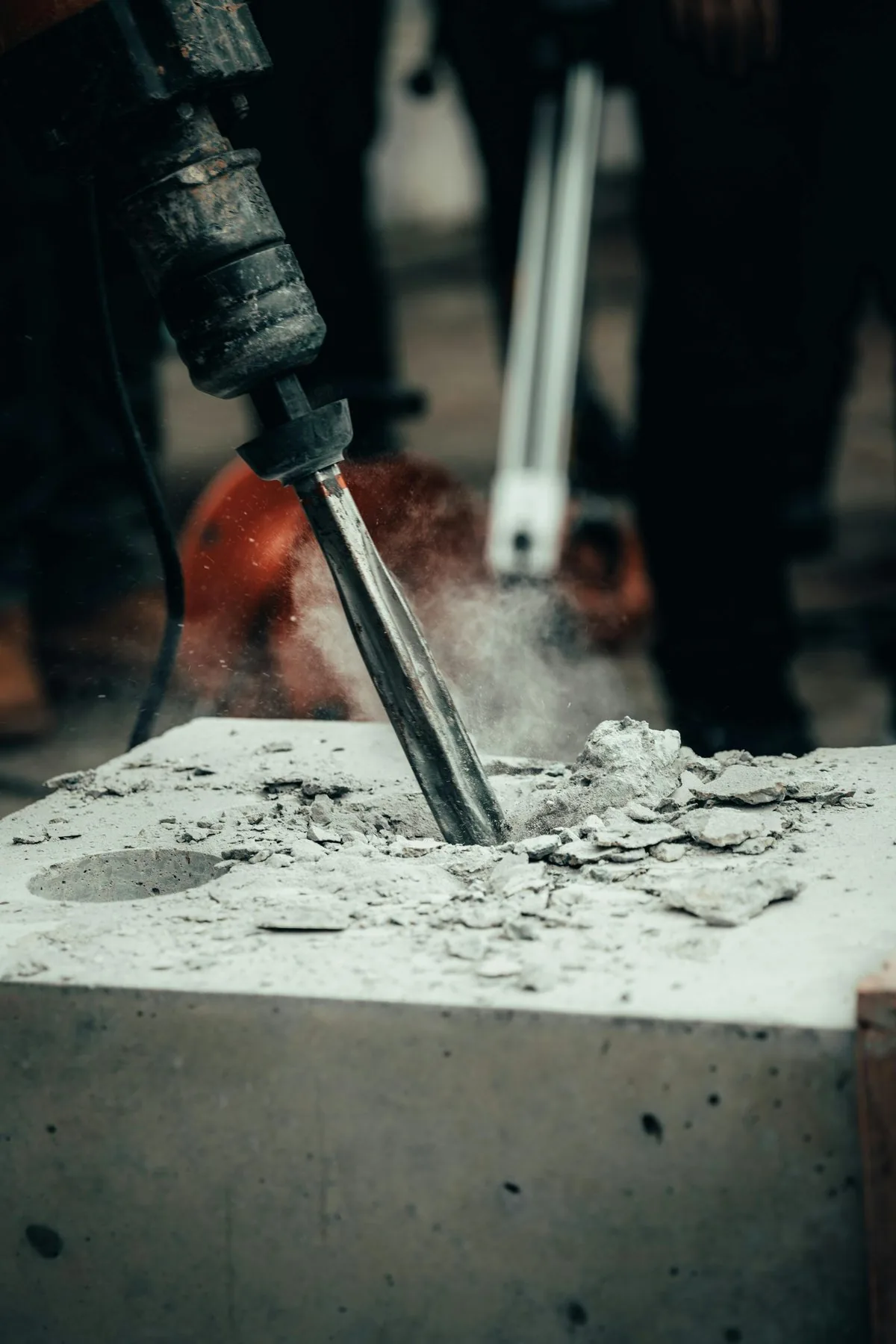
Waterproofing & Concrete Repair Go Together

A waterproofing membrane installed over deteriorated, cracked, or hollow concrete is set up to fail regardless of the membrane's quality. Spalled, carbonated, or honeycombed concrete needs to be repaired and properly prepared before any waterproofing system goes down — repair mortars, structural grouts, bonding agents, and surface treatments are all part of getting the substrate ready.

Related Reading: Concrete Repair in 4 Correct Steps →

Concrete repair and surface preparation before waterproofing, Botswana

How to Choose the Right System

There's no single "best" waterproofing system — the right choice depends on a handful of project-specific factors.

Substrate Type & Condition

New, sound concrete has different requirements to old, cracked, or previously coated surfaces. Condition often dictates preparation work before any system can be applied.

Exposure

Permanently wet or water-retaining structures (reservoirs, basements) need different systems to occasionally wet, UV-exposed roofs.

Structural Movement

Structures that expand and contract need flexible, crack-bridging systems. A rigid system on a moving structure is a common cause of early failure.

Water Pressure & Direction

Basements and retaining structures may need positive-side or negative-side waterproofing depending on where the water pressure comes from.

Usage After Installation

Trafficable roofs, balconies, and podiums need systems designed to be walked on or trafficked; inaccessible roofs have more flexibility in system choice.

Budget & Expected Service Life

Cost and expected performance period should be weighed together — the cheapest system upfront is not always the most cost-effective over time.

This is exactly the kind of decision our technical team can help with. Send us your substrate details and project requirements, and we'll recommend a system with the manufacturer documentation to back the specification.

The Application Process: What to Expect

General principles apply across most waterproofing systems, though exact steps vary by product.

1. Substrate Assessment & Moisture Testing

Checking the condition and moisture content of the surface before any product is selected or applied.

2. Surface Preparation

Cleaning, repairing cracks or spalling, and priming as required by the chosen system.

3. Application

Applying the waterproofing system according to the manufacturer's method statement and coverage rates.

4. Detailing

Careful treatment of joints, upstands, and penetrations — often the most common point of failure if rushed.

5. Curing

Allowing the specified curing period before trafficking, backfilling, or exposing the area to water.

6. Protection Layer

Where required, a screed or protection board is added over the membrane to prevent mechanical damage.

Exact application steps, coverage rates, and curing times vary by product and must be confirmed against the current ABE data sheet for the specific system selected. Tswanacrete supplies this documentation with every order. Talk to us about installation options for your project.

Why Waterproofing Fails in Botswana

Most failures trace back to a handful of recurring causes.

Skipped Preparation

Applying a system without proper substrate assessment or moisture testing.

Wrong System for Movement

Using a rigid system on a structure that expands and contracts, leading to cracking.

Poor Detailing

Rushed or incomplete treatment at joints, upstands, and penetrations — the most common failure point.

Ponding Water

Poor roof falls or blocked drainage leaving water sitting on the membrane longer than it's designed for.

UV Degradation

Membranes not designed for permanent UV exposure breaking down when left uncovered.

No Maintenance

Blocked drains, mechanical damage from foot traffic, or stored materials left on exposed membranes.

Maintenance Checklist

Inspect before rainy season Clear drains & gutters Avoid foot traffic on membranes Address ponding promptly Re-inspect joints & sealants Follow manufacturer maintenance schedule

Exposed bitumen membranes need UV protection to reach their intended service life — ABE's silvakote® bitumen-based aluminium paint is the product typically used to coat and protect exposed bitumen and malthoid membranes from UV degradation, and is worth checking as part of a periodic maintenance schedule.

Frequently Asked Questions

How do I know which waterproofing system is right for my project?

It depends on the substrate, exposure, structural movement and water pressure involved. Our technical team can assess your project and recommend a suitable ABE system, backed by manufacturer documentation.

How long does waterproofing last?

This varies significantly by system, exposure conditions and maintenance, and should be confirmed against the specific product's data sheet rather than assumed. Real-world performance depends heavily on correct installation and ongoing care.

Does Tswanacrete install waterproofing systems?

We can support your project with product supply, technical specification, and installation coordination — talk to us early about what's right for your project.

Can waterproofing be applied over an old, failed membrane?

Sometimes — ABE's super laycryl® liquid system, for example, is specifically formulated for re-waterproofing over existing systems. But this depends on the condition of the existing surface, so a proper assessment is needed first, since applying new waterproofing over a compromised substrate risks early failure.

When should I waterproof before the rainy season?

Ideally, waterproofing work is completed and fully cured well before the rainy season typically begins around November, since application and curing conditions are more reliable in dry weather.

See More FAQs →

Related Articles

Bitumen Membrane vs Liquid-Applied Waterproofing

Which system suits your roof, balcony, or below-ground structure.

5 Signs Your Roof Needs Waterproofing

What to check before Botswana's rainy season arrives.

What Affects the Cost of Waterproofing

System type, substrate condition, and other real cost drivers.

Concrete Repair in 4 Correct Steps

Getting the substrate right before waterproofing goes down.

Why We Run Waterproofing Training Days

What contractor training covers, and why application technique matters as much as product choice.

Waterproofing a Bathroom Before Tiling

Why the membrane underneath matters more than the tile on top.

Ready to Specify Your Waterproofing System?

Contact us to discuss your waterproofing or concrete repair requirements. We can assist with system selection and provide ABE technical documentation for your specification package.